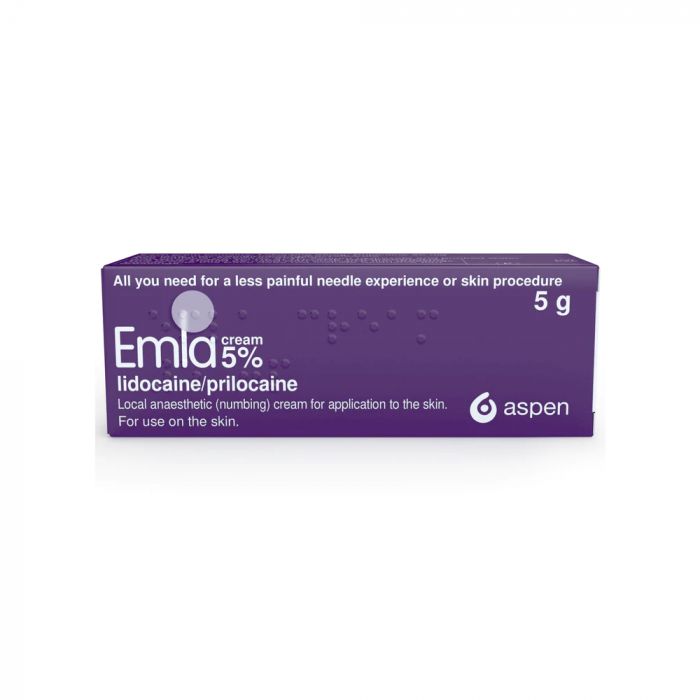
Numbing creams are widely used in aesthetic medicine to ensure patient comfort during procedures such as dermal fillers, skin boosters, microneedling, chemical peels, and laser treatments. Although they appear simple to use, lidocaine-based topical anaesthetics are regulated medicines and must be handled with the same level of clinical responsibility as any other prescription product.
This guide explains the importance of using safe and regulated lidocaine creams in aesthetics, how to select appropriate products, and what every practitioner must know to protect patients and uphold best practice.
Why Safety Matters with Lidocaine Creams
Lidocaine is an effective local anaesthetic, but it is also a potent drug. When used incorrectly or at unsafe concentrations, it can lead to serious complications including toxicity. As an aesthetic practitioner, your duty of care includes ensuring that any topical anaesthetic used in your clinic is safe, legal, and appropriate for the treatment.
Key risks associated with unsafe or unregulated numbing creams
- Lidocaine toxicity due to high concentrations or excessive application
- Systemic absorption, especially on compromised skin
- Allergic reactions or contact dermatitis
- Cardiovascular or neurological symptoms in severe cases
- Interaction with other anaesthetic products, particularly when multiple numbing methods are used
Unlicensed, counterfeit, or illegally imported numbing creams pose the highest risk, as their lidocaine concentration and formulation are often unknown.
Legal and Regulatory Requirements
In the UK, lidocaine-containing creams are classed as POM (Prescription Only Medicine) when the concentration exceeds certain limits, or when combined with other anaesthetics such as prilocaine.
To remain compliant with UK regulations and your insurance:
- Use only pharmacy-sourced, medically regulated lidocaine creams
- Ensure they are CE or UKCA marked where applicable
- Keep clear documentation of batch numbers and expiry dates
- Store according to manufacturer guidelines
It is your responsibility to avoid buying from overseas websites, general marketplaces, or unverified suppliers.
Choosing a Safe Lidocaine Cream
When selecting a numbing product for your clinic, consider the following:
1. Concentration
Most safe, regulated creams contain lidocaine between 2 percent and 5 percent. Higher concentrations are not necessary for aesthetic procedures and increase the risk of toxicity.
2. Formulation
A well-formulated cream should:
- Absorb quickly
- Cause minimal vasoconstriction
- Not interfere with skin integrity
- Be suitable for the treatment area
3. Supplier Verification
Ensure products come from:
- UK licensed pharmacies
- Reputable aesthetic medicine suppliers
- Medical wholesalers
Request certificates of conformity when needed.
4. Patient Suitability
Check for:
- Allergies to local anaesthetics
- Eczema, dermatitis, or broken skin
- Pregnancy or breastfeeding
- Cardiovascular or liver conditions
- Use of antiarrhythmic medications
This forms part of your clinical assessment and consent process.
Safe Application Guidelines for Practitioners
To minimise complications and ensure effective anaesthesia, follow professional guidelines:
1. Apply a thin, even layer
More product does not equal better pain control. Excessive amounts increase systemic absorption without improving efficacy.
2. Use occlusion only when appropriate
Cling film or occlusive dressings can dramatically increase absorption. Use sparingly and avoid on large areas.
3. Time the application correctly
Most lidocaine creams require 20 to 30 minutes for optimal effect. Leaving them on for longer than instructed does not increase numbing but does increase risk.
4. Remove thoroughly before treatment
Residue can interfere with needle insertion, increase infection risk, and affect visibility of anatomical landmarks.
5. Record the use in clinical notes
Include:
- Brand, concentration, batch number
- Amount applied
- Duration of application
- Any adverse reactions
This protects both practitioner and patient.
Recognising Signs of Lidocaine Toxicity
Although rare when used correctly, every aesthetic practitioner must be able to recognise early symptoms:
- Tingling around the mouth
- Dizziness or light-headedness
- Blurred vision
- Slurred speech
- Rapid heartbeat
- Confusion
- Tremors or muscle twitching
Severe toxicity can lead to seizures, arrhythmias, or collapse. Immediate medical attention is essential.
Why The Academy of Safe Aesthetics Teaches Strict Protocols
Our training emphasises that safe aesthetics is more than the injection technique. It is about understanding every product used in the patient journey, including topical anaesthetics.
Students learn:
- How to select safe numbing products
- How to assess risk factors
- Correct application techniques
- Complication recognition and management
- Legal responsibilities around POM products
By instilling safe habits from the start, practitioners enter the industry with a strong foundation in clinical governance and patient-centred care.
Final Thoughts
Using safe lidocaine creams is a crucial part of delivering effective and responsible aesthetic treatments. Choosing regulated products, applying them correctly, and understanding their risks ensures your patients receive the highest standard of care.
At The Academy of Safe Aesthetics, our mission is to elevate safety and professionalism across the aesthetics industry. If you would like this blog adapted into a downloadable PDF for your students or expanded into a training module, I can prepare that for you.
Leave a reply